Ensuring the Recovery of Child Victims of Trafficking
Diunggah oleh Ananda NararyaTulisan ini dimuat di Jakarta Post edisi Senin, 29 Juli 2024
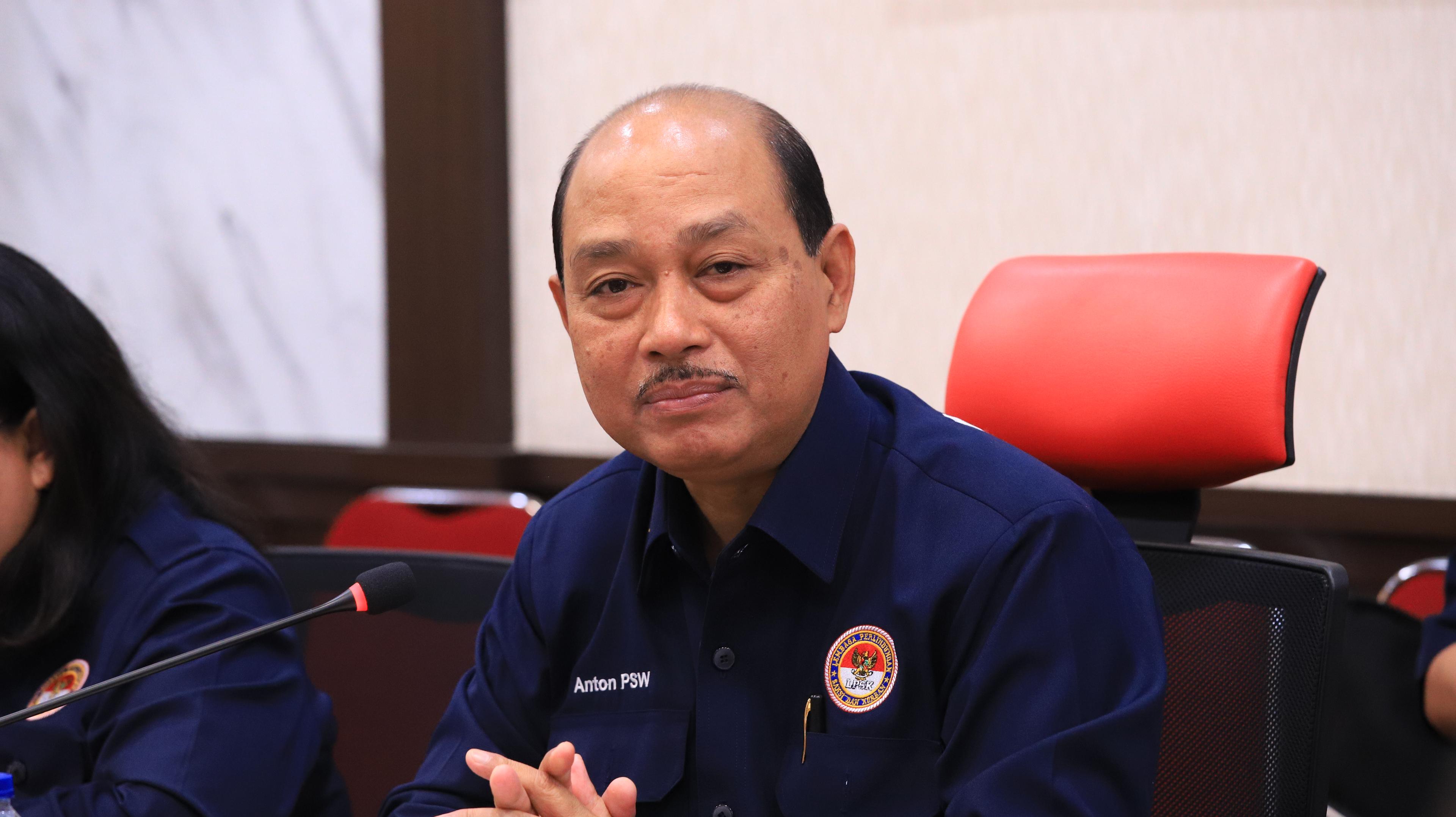
By Antonius PS Wibowo (Vice Chairperson of the Witness and Victim Protection Agency, Republic of Indonesia.)
Limited resources for doing victim’s recovering and the uneven formation of implementing institutions are obstacles to implementing the recovery of child victims of Trafficking. Discourse to find a suitable solution when commemorating Children's Day and Anti Trafficking’s Day every July would be meaningfulness.
The Witness and Victim Protection Agency (LPSK, 2023), noted that around 45% of victims of trafficking are women. The modus operandi includes: sexual exploitation, mail order brides, migrant workers, and fishing boat crew. Trafficking in person occurs between regions and countries. In the first and second modes, the majority of victims are girls.
The Ministry of Women Empowering and Child Protection (PPA Ministry) recorded that at least 1,581 Indonesians were victims of Trafficking (2020-2022). The majority of victims are women and children. The International Organization for Migration (IOM) and Harvard University (2023) report that globally more than 50% of trafficked children were recruited by their families and friends. Boys (around 43%) are trafficked for forced labour in the agricultural industry and begging. Girls (around 21%) are trafficked for sexual exploitation, prostitution and sexual slavery.
Regulations and Mandates
Recovering victims of trafficking is a mandate of Constitution and a number of regulations. The mandate is stated among other in the 1945 Constitution, Law no. 21/2007, Law no. 13/2006 jo. No. 31/2014, Law no. 23/2002 jo No. 35/2014, Presidential Decree 36/1990, Government Regulation No. 9/2008 (GR No. 9/2008), and GR No. 43/2017.
In Civil Law System country likes Indonesia, regulatory mandates must be implemented by the Central and Regional Government and the Community. Civil Law System means that all action of the government and community need to be stimulated in written rules. There are at least two important mandates in the various regulations above. Firstly, there is a need to restore children who are victims of Trafficking. Secondly, appointment of the implementing institution.
Recovery Resources
The mandate for doing recovery for child victims of trafficking are including health rehabilitation, social rehabilitation, repatriation and social reintegration. To ensure successful recovery requires sufficient resources and time. Recovery resources include costs, adequate facilities and infrastructure (for example: hospitals, vehicles for repatriation) and competent experts (for example: psychologists, psychiatrists, health workers). Based on LPSK's experience, it takes at least six to twelve months for victims to recover. Local governments where Trafficking pockets are located generally have minimal recovery resources.
Several breakthroughs are needed to increase recovery resources. These include writing the Standard Operating Procedures (SOP) for accessing health services (from BPJS Kesehatan) for doing health rehabilitation of victims. This has been made possible by Presidential Regulation no. 59/2024 (vide Article 52 paragraph (1), letter "r") which comes into effect on May 8 2024. These possibility is truly a great solution for victims' recovery. This access is open as long as the victim do not guaranteed by another scheme from the Ministry/Institution or Regional Government.
Another breakthrough needed is the addition of Special Allocation Funds from the Central Government to the local Government for the purposes of Women and Child Protection services. This must be accelerated to realize President Jokowi's commitment to significantly eradicate of Trafficking in Person. This commitment has actually been reflected in Presidential Decree no. 49/2023. It is about the change of the structure of the national task force on combating trafficking. It is also about the urgent mandate to put into national and regional budget plan the sufficient budget for combating of Trafficking.
Recovery Implementing Institution
According to GR No. 9/2008, Integrated Service Centre (ISC) is a unit that provides integrated services for Trafficking’s victims. It must be founded in local government. Integrated services include health and social rehabilitation, repatriation, social reintegration and legal assistance. In essence, executor of victim recovery is the ISC. According to Law no. 12/2022 concerning Sexual Violence, implementing institution for doing recovery is the Regional Technical Implementation Unit for the Protection of Women and Children (UPTD PPA).
The work of ISC must be integrative/synergistic between agencies among one roof or networked. The ISC responsible for carrying out all processes in one work unit or responsible for doing entire service referral process. Based on experience, synergy will be realized if there is good communication, no sectoral egos and available sufficient resources. For creating synergistic work between agencies, local government can learn from abroad. For example learning from Stuart House and the UCLA Rape Treatment Centre in Los Angeles.
The ISC must be founded in every local Government where trafficking pockets are located. Unfortunately, this is not the case. Even if the ISC has been formed, its resources are minimal and its role seems does not work.
The establishment of the ISC in all of Trafficking enclaves needs to be realized immediately. The public and media need to advocate for doing so. The momentum ahead of the simultaneous Regional Head Elections (Pilkada) in Indonesia needs to be utilized to elect regional leaders who want combat the trafficking seriously. People must don’t elect candidates who do not have a commitment to fighting Trafficking. Also, the candidate must commit to providing sufficient resources for doing recovery of victims.
Victim Trust Fund for Recovery
Victim Trust Fund/DBK mandated by Law no. 12/2022 needs to be used as a source of funding for doing victims' recovery. Currently the regulation on DBK is being finalized. It would be better when the DBK may be used for doing victim’s recovery. There are two arguments about this.
Firstly, Law no. 12/2022 has explicitly determined that Trafficking aimed at sexual exploitation is sexual crime. Secondly, restitution or compensation charged to the perpetrator or third party for material and/or immaterial losses suffered by the victim, can be seen as a source of funds for the victim's recovery. Because in practice, restitution is used by victims for various purposes, including medical treatment costs, business capital to guarantee future income, etc. Therefore, the basic goal of DBK is for doing recovery of victims.
------------------------------
Antonius PS Wibowo
